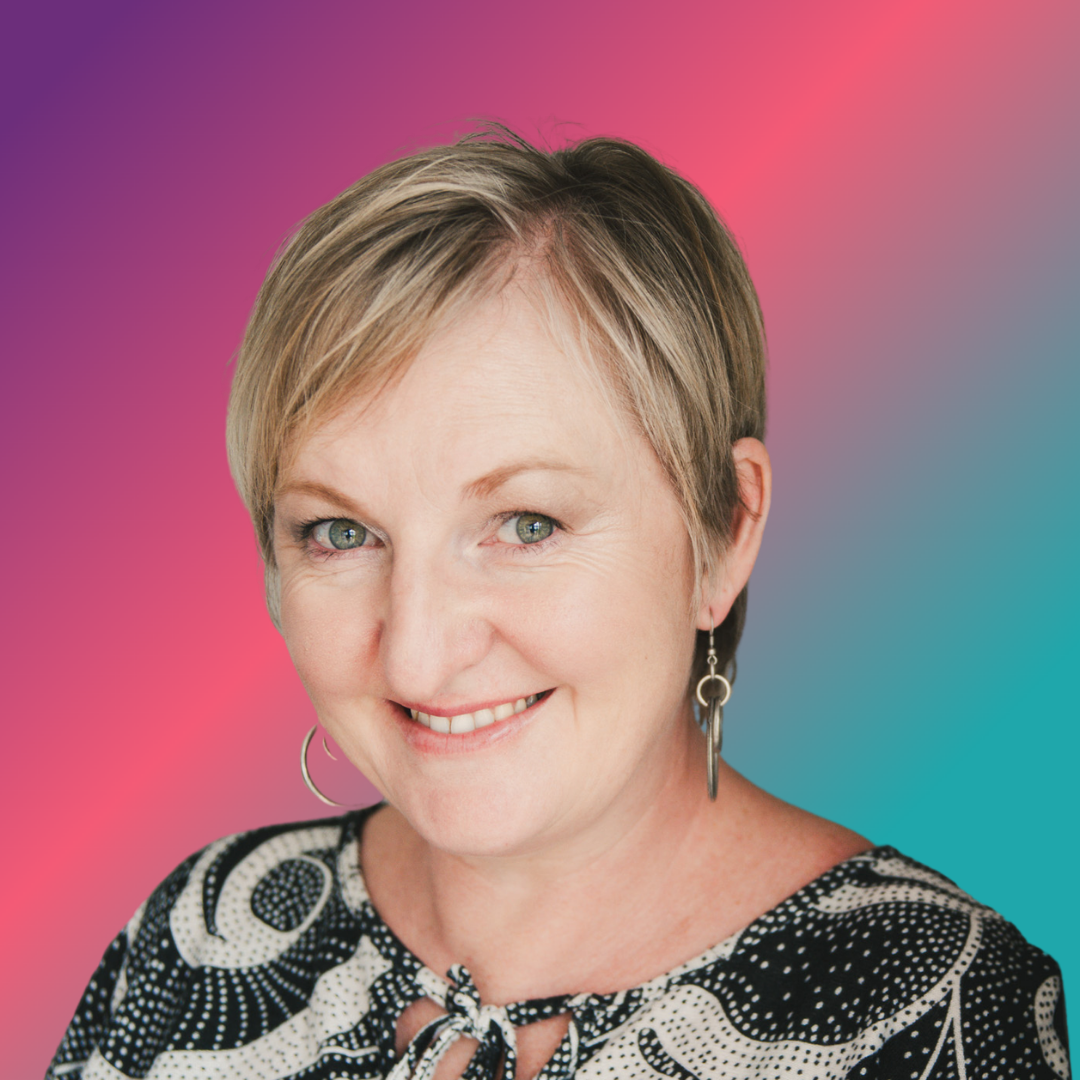
I am an investigator. A pattern recogniser. A systems thinker.
Across corporate roles, startups, and businesses of my own, 25 years of watching the same problem appear in different contexts. Capable people. Real businesses. And the same wall, again and again: a business that couldn't operate without the person holding it together standing in the middle of it. Sometimes that's the founder. Sometimes it's a key employee, a broken handoff, or a system nobody's touched in years. Either way, it's not a failure. The business was never designed to run without them.

The business was never the problem. The design around it was.
Most business advice treats a stuck business as a people problem. Delegate more. Trust more. Let go more, or hire better. I've never found that framing useful, because it usually misdiagnoses the root cause.
A business gets stuck for one of a handful of structural reasons: a bottleneck, often the founder, sometimes someone else. Value leaking out before it becomes revenue. Growth outpacing what the systems can hold. The business quietly stagnating. Or the ground shifting faster than the business can respond to it. None of those are failures of character. They're what happens when a business grows without anyone designing it to.
Flowology is the practice I built to solve that. Not coaching. Not productivity systems. Business design: the intentional architecture that makes a business capable of operating, growing, and delivering without everything depending on one person, or one workaround, holding the whole thing up.
After becoming a mother again in my forties, and after burnout and corporate disillusionment, I left South Africa to travel and worldschool my children. I didn't unravel. I redesigned. I built a digital nomad working life around my own vision and my own values, rather than the one I'd inherited. That's the same question I now bring to every business I work with. Not "how do I keep up?" but could we design this differently?
I launched Flowology in April 2026: a one-woman practice, built on years of running my own marketing agency (Soulbusiness) and a coaching practice before that, all from Antigua, Guatemala. I'm not standing at the other side of the problem telling you how to cross. I'm in it with you. What I bring is 25 years of seeing the same structural patterns, and the tools to design a way out.
Corporate, startups, my own businesses: I've created brands, set up CRMs, automated workflows, designed operations, and built content systems across a wide range of sectors and structures.
The context kept changing. The question didn't. Why do capable people keep hitting the same wall? And why does the answer almost always turn out to be structural rather than personal?
That question is what Flowology is designed to answer.
I don't begin with a solution. I start with the performance data: how it flows through the business, where decisions wait for you, where knowledge only exists in your head, where quality holds only because you're watching.
The data shows what's broken. The structure shows why. Then I design what's missing.
I work with a small number of clients at a time. If you'd like to talk about what this looks like for your specific business, the Flow Call is the place to start.
Based in Antigua, Guatemala. Working across US, European, and South African timezones.
Whatever the pattern, dam, leak, flood, stagnation, rapids, these four terms are how I actually think about a business underneath it. Not interchangeable. Each sits at a different layer.
What the business actually has available: team hours, cash, attention. Changes with season, demand and design. Not fixed, and not a personal failing when it's low.
The signal that something in the design is costing more than it should. Not bad luck. Information.
The structural choices, to a process, a pricing model, a decision path, that either create or destroy capacity. The part that's actually changeable.
What becomes possible once capacity and design are genuinely aligned. Not performed. Not a mindset. A condition the architecture either supports or doesn't.
Not everything can be changed. A market shifting, a competitor moving, isn't something I can design away. Almost everything can be designed around.
I believe businesses behave much like other ecosystems. When things flow, energy, information, decisions, work and money move through easily. When flow is interrupted, things start backing up. You get a dam, a leak, a flood, stagnation, rapids.
Sometimes the answer is automation. Sometimes it's simplification. Sometimes it's a completely different way of working. And sometimes the most useful thing an outsider can do is walk into a business, look at something everyone's accepted for years, and ask: "Wait. Why are we doing this?"
The Flow Check takes 4 minutes and tells you where your business is breaking. The Flow Call is where we talk about what to do about it.